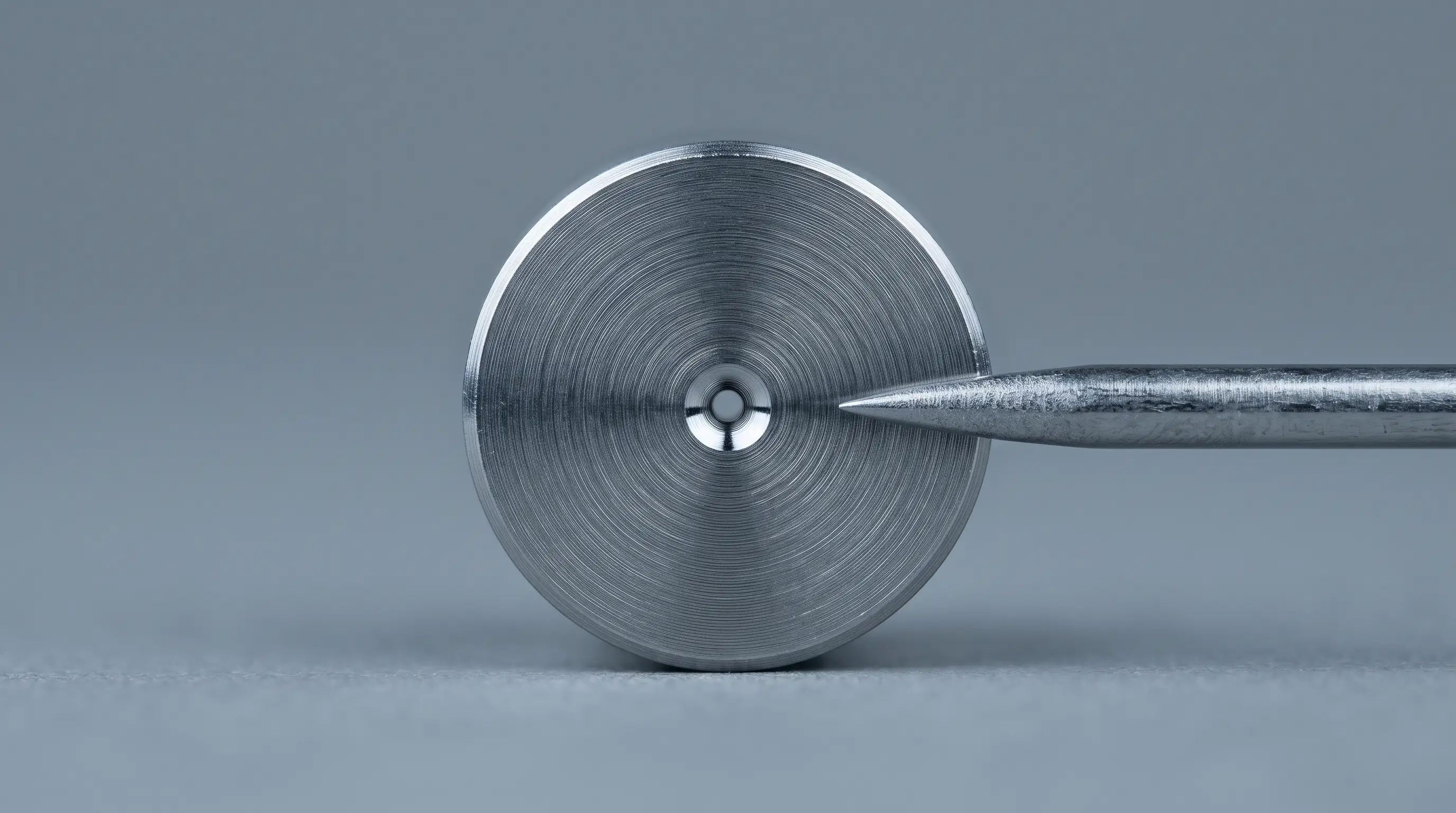
The challenge required the replication of structural fatigue defects under strict laboratory conditions to provide reliable reference standards for non-destructive testing (NDT) systems. Standard machining methods fail when dealing with slit widths below 0.2 mm, as tool deflection and thermal stresses distort the material structure. The team was tasked with generating precise micro-cracks in aerospace alloys without introducing heat-affected zones that could compromise the calibration integrity of the components.
The process relied on an advanced electrical discharge machining (EDM) setup utilizing fine wire and ultra-thin electrodes measuring exactly 0.100 mm in diameter. Operating on the company's high-resolution EDM Sinking machinery, the engineering team developed a custom electrical pulse configuration to control spark energy. This specialized setting allowed the machine to erode micro-slots with a maximum width of 0.17 mm to precise depths ranging between 2.0 mm and 3.0 mm, preserving the exact geometry along the entire depth of the cut.
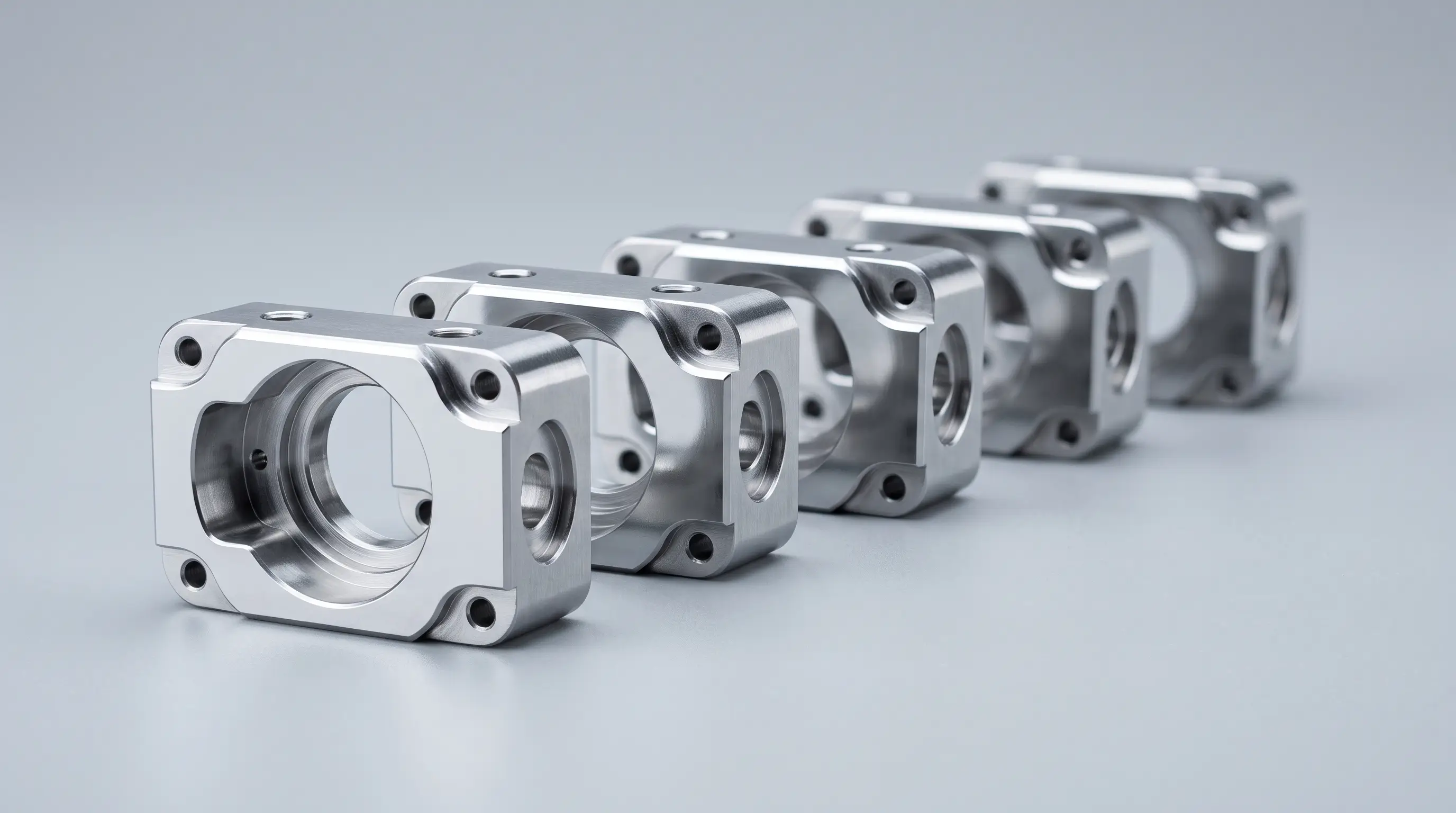
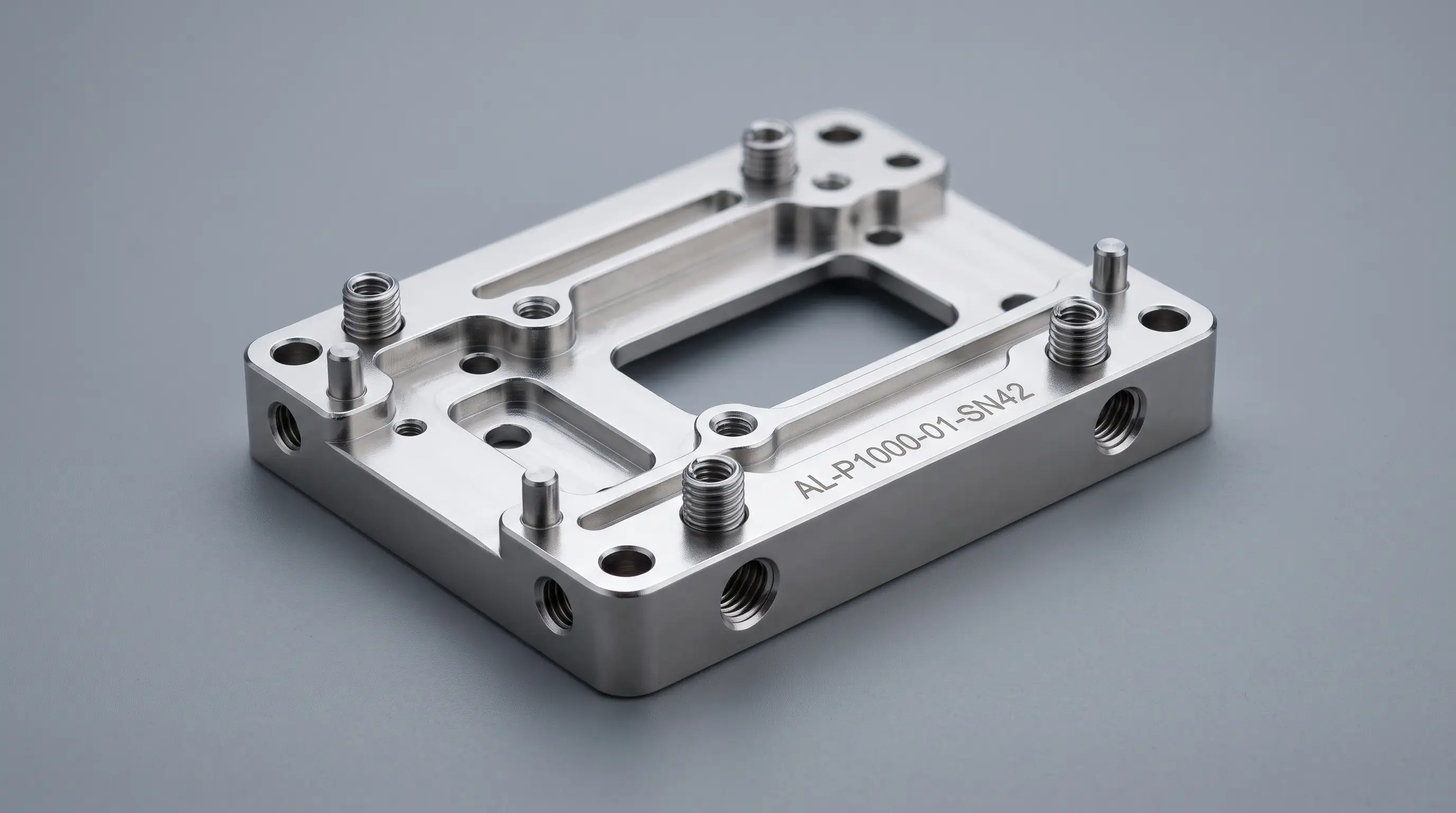
The project yielded standard calibration pieces that enabled the client to verify and calibrate their ultrasound and radiography inspection equipment. Every engineered defect met the strict dimensional tolerances required by defense aviation protocols, showing no microscopic burrs or micro-cracks outside the designated zone. This successful execution established a repeatable workflow for micro-precision erosion, placing the company among a select group of certified suppliers capable of executing sub-millimeter calibration standards.
From micro-cracks to titanium structures - if it's precise, complex, or unique, it's what we do. Send us your drawing and get a quote.